
A hot topic in 2020 and showing no signs of slowing down is the question on many gamers minds: can we get more inclusive gaming content and a more inclusive gaming atmosphere? When I was peeking my head out for the first time and checking out the vast realm of video and computer gaming, the content was very limited as compared to the plethora of options now available for the digital game seeker. The first game I ever played where you could virtually meet up with your friends was Animal Crossing; a game made up of animal characters and white humanoid ones which the user would play as while you built a house, learned about economics selling fruits and, just had fun fishing and going shopping. Once the game was released on Wii and you could add microphone hardware, you could travel to other towns and you could even visit your friends or strangers you met in online forums if they gave you their “town code.” This opened the door to vast amounts of fun at 13 years old but it also led to some sketchy and even inappropriate situations. From the character choices only being white skinned to the perverted comments from creeps who entered my town, this game was far from inclusive in content or atmosphere for a teenage girl. Unfortunately, we still have these same issues across the board in gaming today.
According to an article written by Jenny Shi with EA Global Analytics, and Insights, more than half of gamers today are dissatisfied with the current standards. In Jenny’s research she aimed to find out what inclusion meant to most gamers and what their thoughts were in terms of inclusion and representation in a survey conducted May 2018 of over 2,000 individuals from age 13 to 54 in the US. For the purpose of her research, Shi defined inclusion as having the option to choose from the spectrum of skin tones for your character, existence of games where stories and plots have culturally diverse characters who take on lead roles as well, appropriate in-game communication and features designed for those with special needs (Arts, 2019). When the results came in, over half of the participants said that “it’s important [to them] that games are inclusive” and about 45% of players said that they would be more likely to play a game that was more diverse.
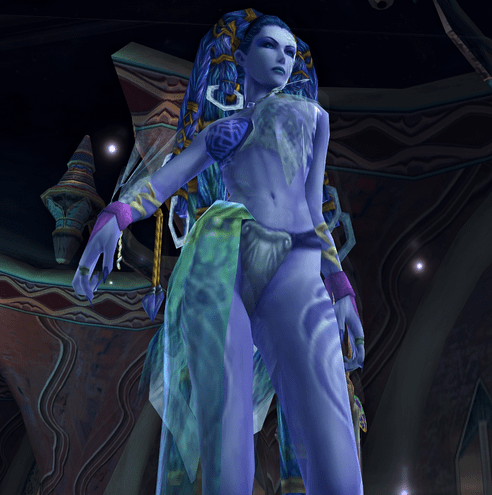
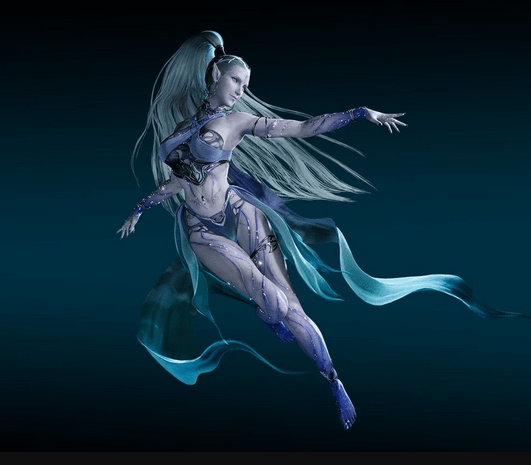
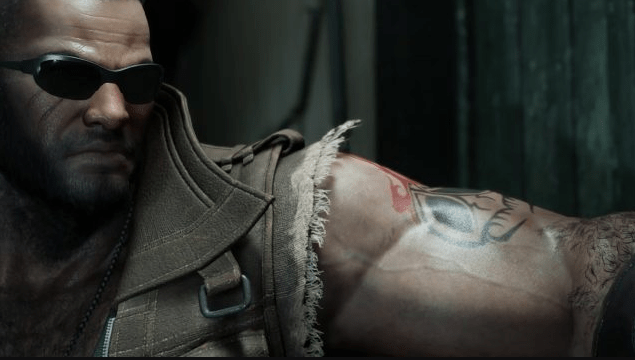
Sometimes the fewest people scream the loudest and Shi showed that only 7% of the participants said they would be less likely to play a more diverse game, which might come as a surprise to you as it did to me. You might wonder, as I have, why game developers have not conducted more of these types of research surveys and incorporated more diverse characters since it seems a clear majority are on board. That said, most participants said they would agree that representation in game characters is getting better within the industry. One game that came out when I was young that just had a re-make released in the spring that I saw vast improvements for is Final Fantasy VII. At one point in the game you meet a non-binary person and another character has a large role who is possibly trans-gender or bi-sexual. I need to look up the back stories to these characters to know for certain what their sexual orientation is, but I think it’s clear when you play that they are anything but the hetero-norm we usually see in our gaming content. While these characters were in the original one, they were not depicted as clearly as in the new game and you even dance with the bi-sexual character as a way to earn a ticket to carry on your quest within the main story line. Also, in one part of the game you meet a super physically robust, white, gay man and compete against him as way to also move forward in the game.
All in all, I think gaming is going the way of television at this point and the industry will be increasing their diversity of race and sexual orientation. I recently watched two anime shows on Netflix which were made in the US that were very culturally inclusive and had main female lesbian characters: The Dragon Prince and She Ra and the Princess of Power. That said, on the issue of needing more female leads and safer online gaming atmospheres for females and people of color; we need to do far better. 61% of participants rated toxicity while gaming as something they were most concerned about. Toxicity in this report included everything from sexist and racist comments creating a hostile environment during game play to disruptive behavior that soiled the gaming experience for many people.
When asked what barriers would prevent them from enjoying video games in general, 14% said that an “unfriendly player community” would do it and that was the third highest ranked reason why. It makes sense when Shi showed that female players are less likely to engage in online gaming especially playing with strangers or on a team of real players. Not surprisingly, the stats didn’t change much for men over the spectrum. A 25 year old female gamer who took the survey said, ” A lot of strangers had sexual and disparaging remarks when they heard I was a female on voice chat” while a 16 year old player said she was afraid of being harassed or left out.
The numbers came in pretty even for males and females, however, who noted that they would reconsider playing online multiplayer games if disruptive behavior and toxicity were reduced. I would have to agree with them because I also would be more inclined to play online. While my husband often plays online in multiplayer games where there is often frequent chat, he even prefers to turn his chat off at times. As for me, it’s still a hard pass. There is hope for gaming yet however and, as more and more users are demanding change, the supply will meet us with better content and a safer, more user friendly environment for all.




Citations
Arts, E. (2019, March 7). What Inclusion Means to Players. Retrieved June 15, 2020, from https://medium.com/@Electronic_Arts/what-inclusion-means-to-players-db4522bdd8a0
 Read Between the Designs