
How do we recognize a social movement and differentiate it from others? What is the best way to share that information and grab the attention of other perspective activists? With every social movement, I can pretty well guarantee that an image comes to mind which can be tied into the heart of the movement. It makes sense because in order to create awareness, you need people to recognize in an instant what the message is you’re trying to get across. Many, if not all, social movements have utilized the methods of branding to help create a consistent layout of colors, type, and imagery to do just that.
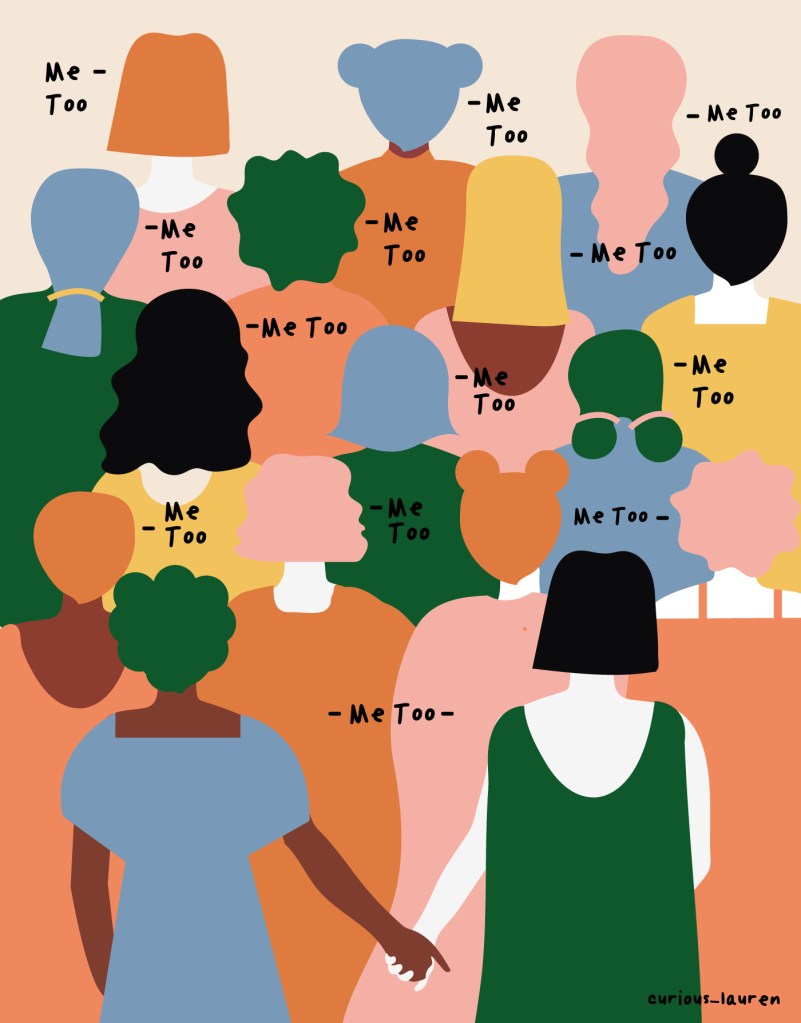
Think of the Me Too movement, Black Lives Matter, and the Pride Movement. What images come to mind? While the Me Too movement is composed of several different artistic perspectives and portrayals of the struggles of women in a patriarchal society, other movements focused on one particular design or image to help spread awareness. The Black Lives Matter symbol is artwork depicting a raised fist, a universal symbol of solidarity. Its connections with the movement stem from The Black Panther Party and has become embedded with anti-racist protests. The rainbow flag, also known as the gay pride flag or simply the pride flag, is a symbol of lesbian, gay, bisexual, and transgender (LGBTQ+) pride and LGBTQ+ social movements. The colors reflect the diversity of the LGBTQ+ community and the spectrum of human sexuality and gender.


In other cases, you might see an artist or a team of artists and designers who have their own unique style which they apply to all of the social movements they support. I follow a few different social activists’ accounts on social media and I first discovered Sarah Epperson on Instagram. Sarah designs for posts and reels on Instagram, where I follow her, and often speaks to equality whether that’s for women, LGBTQ+, people of color, or taxing the rich. Sarah has a clear, vibrant, and iconic approach to her designs which helps to bring her audience in to learn more about the cause and how to support activist efforts.
She doesn’t seem to have much of an agenda per se – at least not in a monetary way. She has a link to her LinkTree account where she does have a shop where you can purchase her designs in various formats, but it’s clear she’s not looking to make a profit. On her LinkTree and her website, she has links to help you register to vote, look at bills for hot issues, and even a donations list of people and organizations she donates to in support of their cause.
I can tell she reaches a lot of people because she has over 150 thousand followers and always hundreds of likes on her posts as well as frequent, typically supportive comments. I started following Sarah because I am not only aligned with her values but also I am a huge fan of her artistic style which uses iconic characters and bold themes and creative phrases. In her post, pictured below, you can see how she weaves in statistical information with hashtags and ‘@’ mentions. She does an excellent job of bringing the viewer/audience in with an engaging, bold, and well-balanced visual and then dives deeper into the meaning with her post descriptions. It’s clear that concise messaging in a relatable composition helps to successfully spread a message. By designing online and for social, designers can help spread the word faster than ever before.
Sources and Credits:
JamesTee – http://www.redbubble.com/people/jameste (Artist who designed the Pride Hand image “Stop Homophobia”)
Rayneese Primrose – https://www.artsy.net/artwork/rayneese-primrose-fists-and-flowers-black-lives-matter
Lauren Mitchell – https://www.behance.net/gallery/57855095/MeToo
 Read Between the Designs