Designing For Social Activism

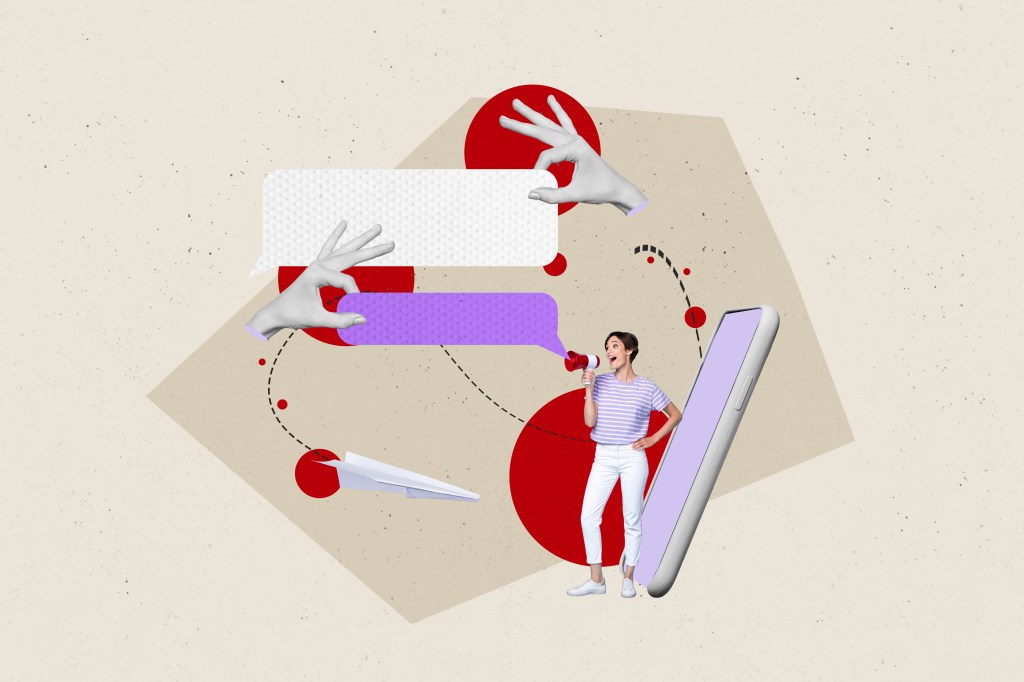
Photo Licensed through Adobe Images. 2023

How do we recognize a social movement and differentiate it from others? What is the best way to share that information and grab the attention of other perspective activists? With every social movement, I can pretty well guarantee that an image comes to mind which can be tied into the heart of the movement. It makes sense because in order to create awareness, you need people to recognize in an instant what the message is you’re trying to get across. Many, if not all, social movements have utilized the methods of branding to help create a consistent layout of colors, type, and imagery to do just that.

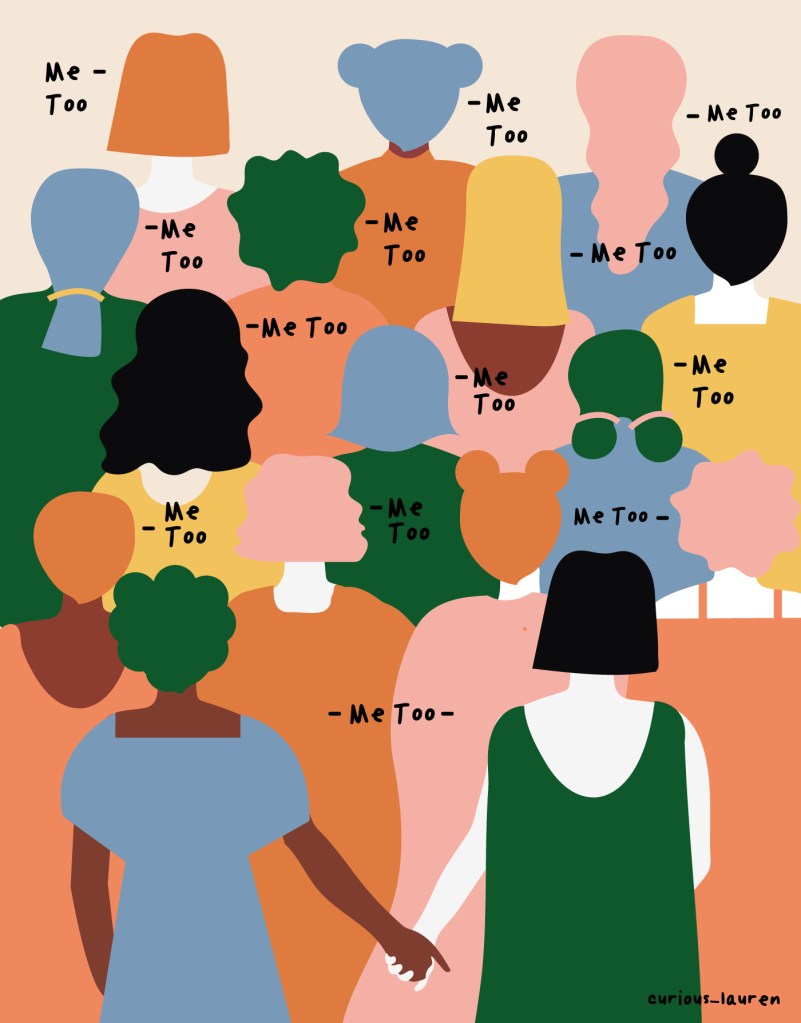
Think of the Me Too movement, Black Lives Matter, and the Pride Movement. What images come to mind? While the Me Too movement is composed of several different artistic perspectives and portrayals of the struggles of women in a patriarchal society, other movements focused on one particular design or image to help spread awareness. The Black Lives Matter symbol is artwork depicting a raised fist, a universal symbol of solidarity. Its connections with the movement stem from The Black Panther Party and has become embedded with anti-racist protests. The rainbow flag, also known as the gay pride flag or simply the pride flag, is a symbol of lesbian, gay, bisexual, and transgender (LGBTQ+) pride and LGBTQ+ social movements. The colors reflect the diversity of the LGBTQ+ community and the spectrum of human sexuality and gender.

In other cases, you might see an artist or a team of artists and designers who have their own unique style which they apply to all of the social movements they support. I follow a few different social activists’ accounts on social media and I first discovered Sarah Epperson on Instagram. Sarah designs for posts and reels on Instagram, where I follow her, and often speaks to equality whether that’s for women, LGBTQ+, people of color, or taxing the rich. Sarah has a clear, vibrant, and iconic approach to her designs which helps to bring her audience in to learn more about the cause and how to support activist efforts.

image.png

She doesn’t seem to have much of an agenda per se – at least not in a monetary way. She has a link to her LinkTree account where she does have a shop where you can purchase her designs in various formats, but it’s clear she’s not looking to make a profit. On her LinkTree and her website, she has links to help you register to vote, look at bills for hot issues, and even a donations list of people and organizations she donates to in support of their cause. 

image.png
image.png
image.png

I can tell she reaches a lot of people because she has over 150 thousand followers and always hundreds of likes on her posts as well as frequent, typically supportive comments. I started following Sarah because I am not only aligned with her values but also I am a huge fan of her artistic style which uses iconic characters and bold themes and creative phrases. In her post, pictured below, you can see how she weaves in statistical information with hashtags and ‘@’ mentions. She does an excellent job of bringing the viewer/audience in with an engaging, bold, and well-balanced visual and then dives deeper into the meaning with her post descriptions. It’s clear that concise messaging in a relatable composition helps to successfully spread a message. By designing online and for social, designers can help spread the word faster than ever before.

image.png

Sources and Credits:

JamesTeehttp://www.redbubble.com/people/jameste (Artist who designed the Pride Hand image “Stop Homophobia”)

Rayneese Primrosehttps://www.artsy.net/artwork/rayneese-primrose-fists-and-flowers-black-lives-matter

Lauren Mitchellhttps://www.behance.net/gallery/57855095/MeToo
Sarah Eppersonhttps://www.sarahepperson.com/

Creative Crowdsourcing

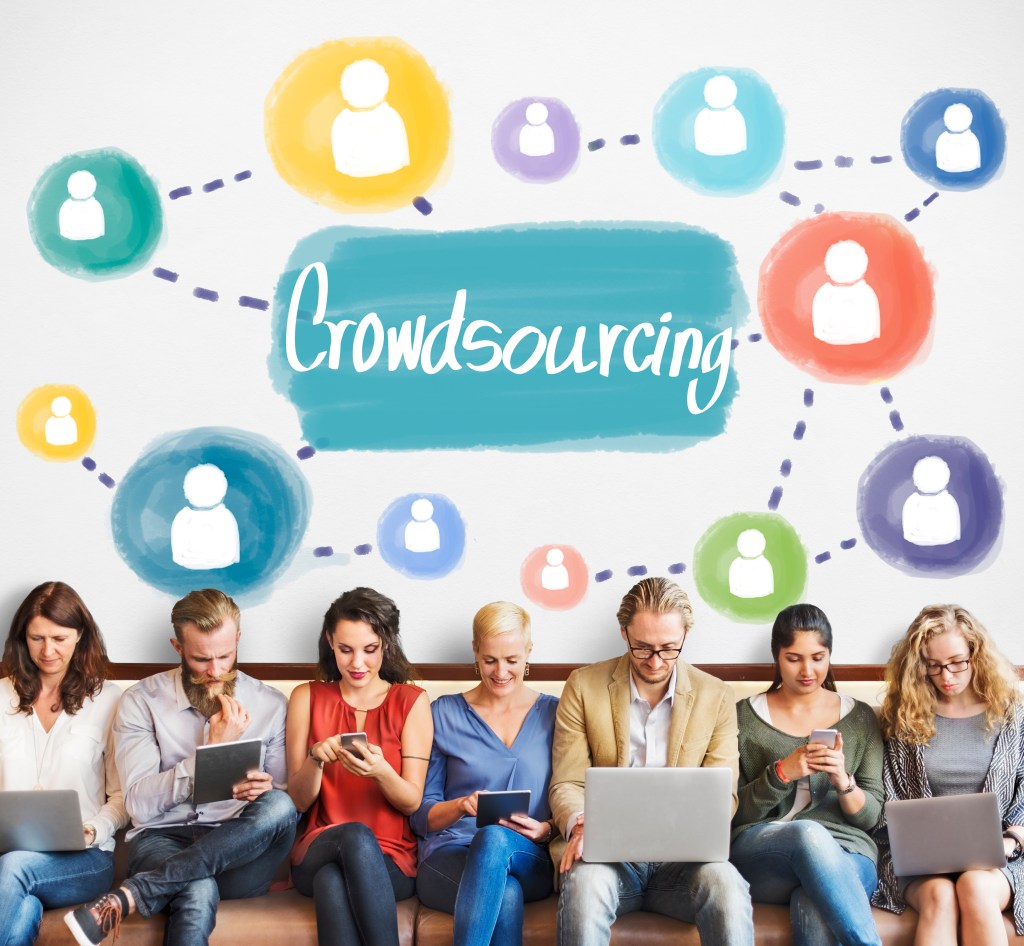
Image licensed through Adobe Photostock 2023

Maybe you’re just starting out as a designer or maybe you have some extra time on your hands. Getting in on crowdsourcing could not only put some extra cash in the bank, but it could also help you diversify your portfolio, challenge you to try new things, and even wind up getting you the job you’ve been searching for. What is creative crowdsourcing, you might be asking. Well, basically it’s when an individual or company outsources a task to a large group of people in an open call for contributions. It’s a unique ideation approach where designers compete by contributing their design based on a given brief, and if their design is chosen, receive compensation and recognition. The crowdsourcer gains great design from a professional community, in a timely manner – it’s a win-win.

According to Skillshare, there are at least 6 different crowd design platforms that you will want to be aware of:

While all of these are viable ways to start your creative crowdsourcing contribution, not all options are always going to be accepting new designers. I recommend looking into at least a few of these to sign up and get started, not to mention the more you’re involved with, the more opportunities to be selected for your design. What should happen if you put in the time and effort to create an awesome design, but yours isn’t selected? Guess what, you have an awesome new piece to showcase in your portfolio and even create a case study for using the brief you were given and showing your process. Remember when I said you might get that job you’ve been searching for? Maybe it’s because when you applied, the interviewer with the company went to your website and saw this amazing work you did and was thoroughly impressed. Either way, creative crowdsourcing is a great avenue, especially for new, professional designers.

Additionally, each brief you choose to accept will present you with a chance to hone in on those problem-solving skills, refine your software knowledge and even help you learn something new. Companies love to crowd-source creative problems because they are able to diversify their creativity, save money, realize an opportunity for genuine innovation, meet demands for video content, and build their brand affinity. I think we can expect this free-lance option for designers to work to be around for a very long time, so take advantage and sign up for some today!

Resources:

Creativepool: https://creativepool.com/magazine/inspiration/creative-crowdsourcing-from-creative-communities.18415

Skillshare: https://www.skillshare.com/en/blog/the-7-best-crowdsourcing-design-platforms/

User Generated Content within the Design Community

Image licensed through Adobe Photostock

USER-GENERATED CONTENT?

Designers. We are creators, influencers, and consumers of user-generated content, but what is UGC? Simply put, it’s content related to a brand, company, or service that is created by someone who’s not an official representative of that business. It could be a social media update, a review, a video, a podcast, or a number of other types. For several years now, businesses have seen UGC for the advantage it is and often will highlight their designated landing page with positive product or service reviews. That video that went viral about one of their products last month? Now it’s helping their business marketing team and designers create advertisements and the best part is the user who originally generated the content did most of the work! What’s more, people tend to trust UGC more than content created by the brand or company because the content creator didn’t get paid and has no affiliation with the brand which they could benefit from by creating positive content – unless you’re an influencer of course, but that’s another blog post.

UGC IN DESIGN

Where UGC plays a role in design can also be seen in how designers share information with one another. For example, an experienced designer might share their best practices, and tools they use and review products they trust which then other newer designers can learn from and feel more confident in their purchases regarding design software, tools, and the like. It’s a wonderful thing to wonder what computer would best suit your needs for becoming a logo designer and photographer and then be able to YouTube videos on product reviews for computers by other designers. Sharing information and being able to gather feedback from experienced people within your field is priceless.

DRAWBACKS

It’s not all thumbs-ups and smiley faces though. The dark side of UGC within the design community could be those pesky trends that put designers on a bandwagon of followers rather than on the road to creativity and individuality. Timeless design takes a back seat to what’s popular and then soon everything looks like everything else. Another possible drawback is when designers create content they’re proud of only to feel disheartened when they don’t receive enough likes, shares, or comments. I myself have been in the position of feeling poorly based on a lack of validation on social media. Creators especially will share their work as a way to generate content, so when there isn’t lots of positive feedback it can feel like you aren’t good enough in your field. (By the way, you are good enough, keep going.)

SUMMARY

Ultimately, there are positives and negatives those in the design community will face when it comes to UGC and it’s up to each of us to contribute to content responsibly as well as promote individual creative expression. Just because there are some design videos that are trending, that doesn’t excuse designers to abandon their creative individuality. You never know when your style might be the next big thing and UGC can have a lot of positive impacts when we share information rather than what’s trending. That said, it’s good to be aware of trends, just don’t change everything about yourself to fit into another designer’s box. Keep creating content and if you haven’t tried it yet – go for it! It’s actually pretty fun!

RESOURCES:

Here are some resources I recommend to help you get started:

Information on how to create a UGC campaign for your brand:

https://influencermarketinghub.com/user-generated-content/

Do you need UGC, a design agency, or both?

https://www.pixlee.com/blog/design-agency-vs-user-generated-content-which-is-better-for-your-brand

Tool tips for non-designers, templates, and more:

https://getflowbox.com/blog/user-generated-content-website/