Social Media Engagement Dos and Don’ts.

Image licensed through Adobe Photostock 2023.

We’ve all heard them, maybe even cringed a little when we read about them. What are they? Company apologies and painstakingly pleading to the public for a failure to connect appropriately to their audience. This could mean you didn’t respond to a complaint or questions online or you misunderstood a social trend and it backfired. For example, on popular frozen pizza company, DiGiorno, found themselves on the wrong side of the social media movement #WhyIStayed when they Tweeted their reason for staying was because “You had pizza”, making light of a serious domestic violence issue. Later, they put out a public apology and tried their best to save face. They neither showed empathy towards the victims nor did they contribute in any meaningful way to support the movement. Their mistake? They claimed they did not read what the hashtag was about before posting.

So, what can we take away from this? Definitely do your research, and secondly, do not try to capitalize on trending rights-related topics. Unless your business donates to a charity concerning what is trending, it’s probably even best to steer clear of trending topics unrelated to your business altogether. Their apology did help to account for their actions, however – so keep that in mind if you ever find yourself in an instance similar to DiGiorno like so many others before and after them. Taking accountability and showing remorse is important, not just for the sake of business but because we are all humans at the end of the day who are capable of mistakes as much as we are capable of forgiveness.

Engaging customers appropriately over social media has shown to be very advantageous and even creates a sense of community around brand loyalty. According to Xperiencify, there are 15 valuable strategies they suggest in order to increase customer engagement on social media. Consider your brand voice, and what personality you want to be associated with it. Your tone should be relevant to your target audience and you can enhance this by considering what characteristics your audience values most. From there, in order to create brand loyalty, you can find ways to share massaging about your company values and culture as well as your story. When you do this, your company or business will stand out from the crowd and you will have the voice that identifies you.

As someone who recently took a course on digital marketing, I can say there are a lot of helpful tools out there to help you improve your social media marketing. From utilizing search engine optimization techniques and services such as that which Google offers, to increasing your email engagement through software like Hubspot and MailChimp, you can certainly experience an increase in customer throughput throughout their journey. Be sure to post to your social media channels regularly to create more opportunities to engage with your audience. Also, use interactive content like quizzes, polls, and live videos in order to keep the two-way conversation going. And of course, respond quickly to your customers, thanking them for positive feedback, answering questions, and recognizing complaints. Businesses that are not responsive on social media lose business. Customers need to feel heard, it’s as simple as that.

By showing empathy and actively listening to your customers’ wants and needs, you can make their experience with you personal. When customers feel a personal connection with your brand, they are more likely to be loyal to your brand moving forward. This can lead to future sales with them as well as potential referrals, so it’s not only good to care about your customers for the sake of humanity, but also for the good of the business. Now that you know your customer more personally, you can tailor the content you provide to them by creating relevant content for your audience. You might be asking, is there a way you can lose a customer after you’ve engaged with them, built a personal relationship with them, and provided excellent feedback and social media output? The short answer is yes.

What we have discussed so far are just pieces of the customer journey, but the trip is not over yet and your customers still have a way to go if they’re to be completely sold. Have you ever clicked a link from a great ad just to find that the link was broken? What about if the link worked but the website it took you to was slow to load, not mobile-friendly, or confusing to navigate? Even an outdated web style can be unattractive to customers and they may be concerned that if your website is out-of-date, then perhaps your purchasing and shipping methods are as well. This can all lead to increased bounce rates (potential customers leaving your site prematurely) and loss of email subscriptions. To help you learn more about ways to increase your website loading time, improve search engine optimization, and ensure your site is also mobile and tablet friendly, check out my links for helpful resources below.

Resources:

Search Engine Optimization guide from SEMRUSH
Ways to Help Improve Loading Speed from Hubspot

How to Make Your Site Mobile Friendly with FirstSiteGuide

Designing For Social Activism

Photo Licensed through Adobe Images. 2023

How do we recognize a social movement and differentiate it from others? What is the best way to share that information and grab the attention of other perspective activists? With every social movement, I can pretty well guarantee that an image comes to mind which can be tied into the heart of the movement. It makes sense because in order to create awareness, you need people to recognize in an instant what the message is you’re trying to get across. Many, if not all, social movements have utilized the methods of branding to help create a consistent layout of colors, type, and imagery to do just that.

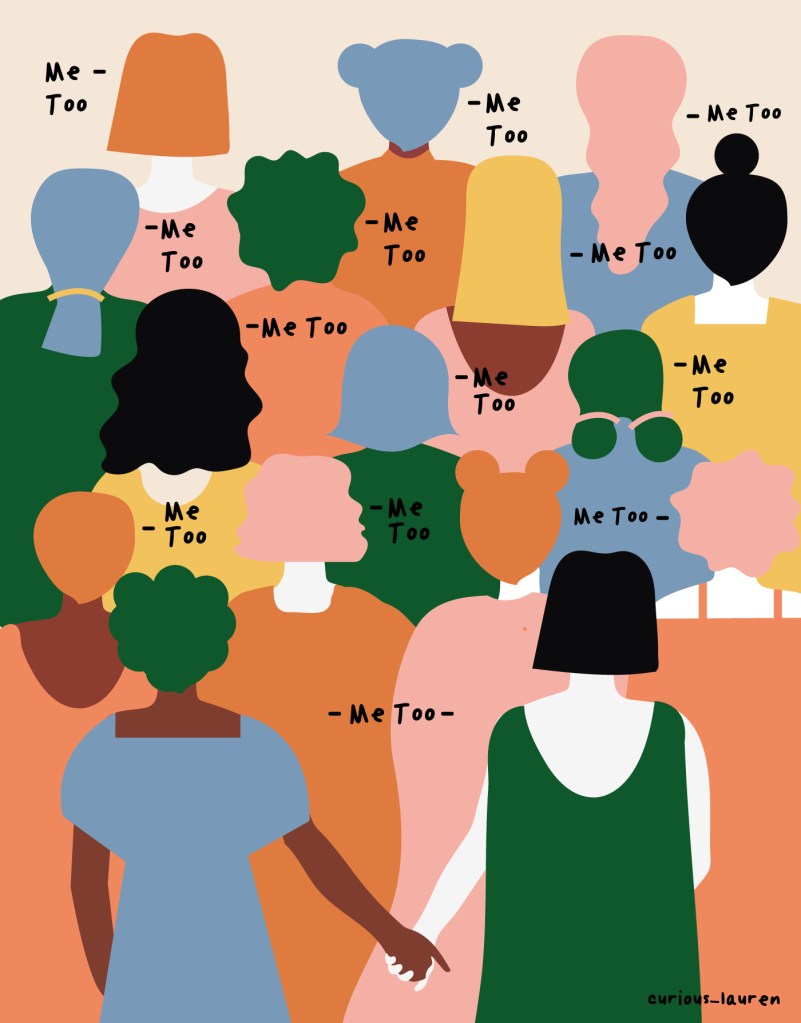
Think of the Me Too movement, Black Lives Matter, and the Pride Movement. What images come to mind? While the Me Too movement is composed of several different artistic perspectives and portrayals of the struggles of women in a patriarchal society, other movements focused on one particular design or image to help spread awareness. The Black Lives Matter symbol is artwork depicting a raised fist, a universal symbol of solidarity. Its connections with the movement stem from The Black Panther Party and has become embedded with anti-racist protests. The rainbow flag, also known as the gay pride flag or simply the pride flag, is a symbol of lesbian, gay, bisexual, and transgender (LGBTQ+) pride and LGBTQ+ social movements. The colors reflect the diversity of the LGBTQ+ community and the spectrum of human sexuality and gender.

In other cases, you might see an artist or a team of artists and designers who have their own unique style which they apply to all of the social movements they support. I follow a few different social activists’ accounts on social media and I first discovered Sarah Epperson on Instagram. Sarah designs for posts and reels on Instagram, where I follow her, and often speaks to equality whether that’s for women, LGBTQ+, people of color, or taxing the rich. Sarah has a clear, vibrant, and iconic approach to her designs which helps to bring her audience in to learn more about the cause and how to support activist efforts.

image.png

She doesn’t seem to have much of an agenda per se – at least not in a monetary way. She has a link to her LinkTree account where she does have a shop where you can purchase her designs in various formats, but it’s clear she’s not looking to make a profit. On her LinkTree and her website, she has links to help you register to vote, look at bills for hot issues, and even a donations list of people and organizations she donates to in support of their cause. 

image.png
image.png
image.png

I can tell she reaches a lot of people because she has over 150 thousand followers and always hundreds of likes on her posts as well as frequent, typically supportive comments. I started following Sarah because I am not only aligned with her values but also I am a huge fan of her artistic style which uses iconic characters and bold themes and creative phrases. In her post, pictured below, you can see how she weaves in statistical information with hashtags and ‘@’ mentions. She does an excellent job of bringing the viewer/audience in with an engaging, bold, and well-balanced visual and then dives deeper into the meaning with her post descriptions. It’s clear that concise messaging in a relatable composition helps to successfully spread a message. By designing online and for social, designers can help spread the word faster than ever before.

image.png

Sources and Credits:

JamesTeehttp://www.redbubble.com/people/jameste (Artist who designed the Pride Hand image “Stop Homophobia”)

Rayneese Primrosehttps://www.artsy.net/artwork/rayneese-primrose-fists-and-flowers-black-lives-matter

Lauren Mitchellhttps://www.behance.net/gallery/57855095/MeToo

Sarah Eppersonhttps://www.sarahepperson.com/

Creative Crowdsourcing

Image licensed through Adobe Photostock 2023

Maybe you’re just starting out as a designer or maybe you have some extra time on your hands. Getting in on crowdsourcing could not only put some extra cash in the bank, but it could also help you diversify your portfolio, challenge you to try new things, and even wind up getting you the job you’ve been searching for. What is creative crowdsourcing, you might be asking. Well, basically it’s when an individual or company outsources a task to a large group of people in an open call for contributions. It’s a unique ideation approach where designers compete by contributing their design based on a given brief, and if their design is chosen, receive compensation and recognition. The crowdsourcer gains great design from a professional community, in a timely manner – it’s a win-win.

According to Skillshare, there are at least 6 different crowd design platforms that you will want to be aware of:

While all of these are viable ways to start your creative crowdsourcing contribution, not all options are always going to be accepting new designers. I recommend looking into at least a few of these to sign up and get started, not to mention the more you’re involved with, the more opportunities to be selected for your design. What should happen if you put in the time and effort to create an awesome design, but yours isn’t selected? Guess what, you have an awesome new piece to showcase in your portfolio and even create a case study for using the brief you were given and showing your process. Remember when I said you might get that job you’ve been searching for? Maybe it’s because when you applied, the interviewer with the company went to your website and saw this amazing work you did and was thoroughly impressed. Either way, creative crowdsourcing is a great avenue, especially for new, professional designers.

Additionally, each brief you choose to accept will present you with a chance to hone in on those problem-solving skills, refine your software knowledge and even help you learn something new. Companies love to crowd-source creative problems because they are able to diversify their creativity, save money, realize an opportunity for genuine innovation, meet demands for video content, and build their brand affinity. I think we can expect this free-lance option for designers to work to be around for a very long time, so take advantage and sign up for some today!

Resources:

Creativepool: https://creativepool.com/magazine/inspiration/creative-crowdsourcing-from-creative-communities.18415

Skillshare: https://www.skillshare.com/en/blog/the-7-best-crowdsourcing-design-platforms/

FOMO

Overcoming The Fear Of Missing Out | HuffPost

I’m at a table with friends, my phone is put away and we are talking and enjoying drinks and good conversation. Everyone is very present until one person at the table pulls out their phone and appears to be scrolling through something on presumably a social media app. Next thing you know two more have taken out their phones as I start to eye-ball my purse plopped down by my ankle. What am I missing out on? What are they looking at that suddenly is more important than what we were doing? My friends, if you have experienced this or something close to it, then you might have a fear of missing out or what many have dubbed as FOMO.

The fear of missing out on what else could be going on takes you out of the present moment you are in and many of my friends and family have confided to me that they believe they’re more anxious when they don’t have their phone in hand. It used to be peaceful to know you had your mobile device nearby in case of emergency or someone calling, but now our devices have become addictive and we cannot even part with them long enough to enjoy a night out. Personally, I tend to go into an auto pilot mode and I don’t even really find myself thinking about my phone when I suddenly realize I am scrolling through Facebook or Instagram. Aside from the few posts in between dozens of adds, it’s hard to keep up on what my favorite peeps are even doing this way anyhow.

Earlier this year, January first to be precise, I decided I would leave Facebook and try to communicate more with family over phone calls and in person. I removed Facebook from everything; my laptop, ipad and my phone. For the first month it was more difficult because I had formed such a habit around checking Facebook and I asked my husband to help keep me accountable to my goal. I went all the way up until…the pandemic. Once we were quarantined all my hard won victories over my addiction imploded and I began to add social media apps back onto my devices. Slowly I began to look at Facebook more and more. The lack of social interaction and fear of not knowing what was going on with everyone took a new hold and when you’re busy working a 8-5, and you’re in school and you’re trying to start your own side business…well, it’s just easier to keep up with everyone when you can look in one place instead of making a bunch of calls or sending an endless stream of texts.

Not sure what the future holds for me, but I am beginning to realize once again, that social media is taking too much from my time, or rather that I am making the choice to give too much of my time to social media. At the end of the day I try to remind myself that there was a life, a functioning, sociable world before social media networking took hold. We can get past it and we need to for our own health. I went ahead and looked up some tips for dealing with FOMO and I will run over them here, but I also have included a link to the original source at the bottom of this page if you’re interested.

First things first, slow down. Set reminders around to help you or even do what I did and have your significant other or a friend help hold you accountable. Your time is valuable, so don’t just give it up for anything, choose what is most important. Give your soul some love by really taking in the moments that are good in your life and appreciating them by not comparing your life to another. You have amazing things going for you and so many reasons to be happy, soak that shit up. It is okay to not “have it all” and in fact when you stop focusing on what others have and what you don’t have and start to focus on what you do have (count your blessings) you will realize you have an abundance of good in your life. Positivity isn’t just an adjective, it’s a verb my friends. Be positive.

Last, take it one thing at a time. When you’re with someone, be with them. When you’re talking to someone, listen and be present. You are spreading yourself too thin if you think you can be in a room and on social media and texting someone at the same time. Just stop. Be present and enjoy the moments of your life. Savor every moment and prioritize your closest relationships. One great conversation with a friend who gets you and vice versa outdoes any amount of time spent looking at the lives of people you hardly know. Be grateful for what you have, because you have wonderful things and wonderful people in your life. Take it all in and enjoy the process. Coming up on 30, it’s dawning on me just how much time I’ve lost and how much I’m no longer willing to give up. Let’s stop choosing to give our most precious gift, our time, away to anything less than what feeds our souls. Time to get back to living.

Resource: https://www.psychologytoday.com/us/blog/stronger-the-broken-places/201501/10-ways-overcome-fear-missing-out